Physiotherapy at Home Services in Nairobi
Professional Physiotherapy at Home in Nairobi
Recovering from an injury, surgery, stroke or a medical condition that affects movement can be challenging, especially when travelling to a healthcare facility is difficult. Physiotherapy at home provides an opportunity for patients to receive rehabilitation support in the comfort and convenience of their own homes. Nurse Care Home Nursing Services helps families explore home-based physiotherapy arrangements tailored to individual recovery goals, physical abilities and healthcare needs.

Physiotherapy is an important part of rehabilitation for people experiencing pain, muscle weakness, joint stiffness, reduced mobility or difficulties with balance and coordination. Through appropriate assessment and guided exercises, physiotherapy aims to improve movement, restore physical function, manage certain types of pain and support independence in everyday activities.
For patients who are elderly, recovering after surgery, living with disabilities or managing conditions such as stroke, home physiotherapy can make rehabilitation more accessible. Receiving treatment at home also allows rehabilitation activities to be considered within the patient’s actual living environment, including the spaces and movements they use every day.
At Nurse Care Home Nursing Services, we understand that every patient’s recovery journey is different. The type of physiotherapy required depends on the medical condition, physical limitations, treatment goals and recommendations from the healthcare team. Our aim is to help families access appropriate home-based rehabilitation support while prioritising patient comfort, safety and dignity.
What Does Home Physiotherapy Include?
Physiotherapy at home involves rehabilitation services delivered in a patient’s residence by an appropriately qualified physiotherapist. Treatment begins with an assessment of the patient’s movement, strength, balance, pain levels and functional abilities. This helps the physiotherapist understand the challenges affecting the patient and develop a suitable treatment plan.
One important area is mobility training. Patients who have difficulty walking, standing, sitting or changing positions may benefit from guided exercises and movement training. Physiotherapy can help improve mobility and teach patients appropriate techniques for performing everyday activities safely.
Strengthening exercises may also form part of a rehabilitation programme. Muscle weakness can develop after prolonged illness, surgery, injury or reduced physical activity. A physiotherapist may recommend exercises that gradually improve muscle strength and endurance according to the patient’s abilities and recovery progress.
Joint mobility and flexibility exercises can help patients experiencing stiffness or restricted movement. These exercises are particularly relevant for individuals recovering from orthopaedic surgery, injuries or conditions that affect their joints and muscles. Treatment should always be adapted to the patient’s condition and tolerance.
Balance and coordination training may be recommended for individuals who experience unsteadiness or difficulty controlling their movements. This can be especially helpful for some elderly patients and individuals recovering from neurological conditions. The physiotherapist may introduce appropriate activities designed to improve body control and confidence during movement.
Physiotherapy may also include rehabilitation following stroke. Some stroke survivors experience weakness or paralysis on one side of the body, difficulties with walking and reduced coordination. A structured rehabilitation programme can help address these limitations and support the development of functional movement, depending on the extent of the stroke and the patient’s recovery potential.
Patients experiencing back pain, neck pain, muscle discomfort or certain joint conditions may also benefit from physiotherapy assessment and treatment. Depending on the cause of the symptoms, treatment may include therapeutic exercises, movement education and other appropriate rehabilitation techniques.
Who Can Benefit from Physiotherapy at Home in Nairobi?
Home physiotherapy can benefit people with different physical and neurological conditions that affect movement, strength and independence. Elderly individuals may need physiotherapy to address reduced mobility, balance difficulties, muscle weakness and stiffness. Appropriate rehabilitation can help them maintain physical function and perform daily activities more confidently.
Patients recovering from surgery may also require physiotherapy as part of their rehabilitation. Individuals who have undergone knee replacement, hip replacement, spinal surgery or other orthopaedic procedures may need guided exercises and mobility training. The physiotherapy programme should follow the surgeon’s instructions and take account of the patient’s healing progress.
Stroke survivors are another group who may benefit from home-based physiotherapy. Rehabilitation may focus on improving movement, balance, coordination and the ability to perform everyday activities. Recovery varies from one person to another, making individual assessment and realistic treatment goals essential.
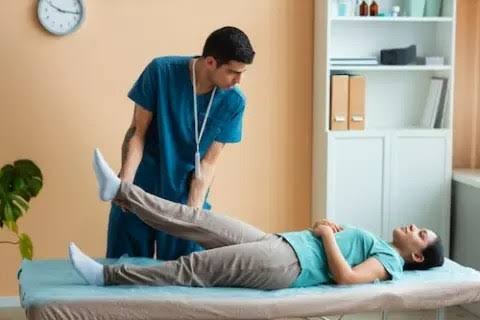
People recovering from accidents, fractures and sports injuries may also need physiotherapy. Depending on the injury, treatment can help restore joint movement, strengthen affected muscles and support a gradual return to normal activities.
Patients living with neurological conditions such as Parkinson’s disease or other disorders affecting movement may also benefit from physiotherapy. Treatment may focus on balance, walking, posture, flexibility and maintaining functional independence.
Individuals experiencing chronic musculoskeletal problems, including certain forms of back pain, neck pain and arthritis-related movement difficulties, may also require professional rehabilitation. A physiotherapist can assess the symptoms and recommend appropriate exercises and treatment options.
Home physiotherapy is particularly useful for patients who struggle to travel because of limited mobility, advanced age or physical discomfort. However, patients with sudden severe symptoms or serious medical deterioration should receive urgent medical assessment rather than relying on routine physiotherapy.
Benefits of Choosing Physiotherapy at Home
One of the main advantages of physiotherapy at home is convenience. Patients do not have to make frequent journeys to a clinic, which can be difficult for individuals recovering from surgery, elderly patients and people with mobility challenges. Receiving rehabilitation at home can make it easier to maintain an appropriate treatment routine.
Personalised attention is another important benefit. Home physiotherapy sessions can be structured around the patient’s physical abilities, recovery goals and home environment. The physiotherapist can consider practical challenges such as stairs, narrow spaces and difficulties accessing bathrooms or bedrooms when recommending appropriate movement strategies.
Rehabilitation at home can also encourage family involvement. Relatives and caregivers can learn appropriate ways to support the patient during recommended exercises and daily activities. This can help create a supportive environment between physiotherapy sessions, provided that exercises are performed according to professional instructions.
Another advantage is the opportunity to practise functional activities in the environment where the patient spends most of their time. For example, a physiotherapist may work with a patient on safe transfers between a bed and chair, walking within the home or managing everyday movements relevant to their needs.
Nurse Care Home Nursing Services understands the importance of appropriate rehabilitation and patient-centred care. We encourage families to seek professional assessment before starting physiotherapy, particularly where a patient has recently undergone surgery, experienced a stroke or has an existing medical condition. Treatment should be provided by an appropriately qualified physiotherapist and adjusted according to the patient’s progress.
We welcome enquiries from families in Westlands, Parklands, Riverside, Lavington, Kilimani, Kileleshwa, Hurlingham, Karen, Lang’ata, South C, South B, Nairobi West, Upper Hill, Runda, Gigiri, Muthaiga, Ridgeways, Kasarani, Roysambu, Garden Estate, Embakasi, Donholm, Buruburu, Umoja, Komarock, Nyayo Estate, Fedha Estate and surrounding areas. Contact us to confirm availability in your neighbourhood.
Contact Us for Physiotherapy at Home in Nairobi
Are you looking for physiotherapy at home in Nairobi for yourself or a loved one? Nurse Care Home Nursing Services welcomes enquiries from individuals and families seeking convenient home-based rehabilitation support.
Whether the patient needs physiotherapy after surgery, stroke rehabilitation, mobility exercises, support following an injury or assistance with age-related movement difficulties, we can help you explore appropriate care arrangements based on the patient’s needs and service availability.
Contact us to discuss the patient’s condition, location, medical history and rehabilitation requirements. If available, provide any relevant referral or treatment instructions from the patient’s healthcare provider so that the appropriate assessment and arrangements can be considered.
Choose Nurse Care Home Nursing Services when exploring physiotherapy and rehabilitation support at home in Nairobi. Get in touch with us today and take a positive step towards improving mobility, supporting recovery and helping your loved one maintain greater independence.